

Sphingolipid Derivatives
Tetraacetylphytosphingosine
Soothing, repairing, balancing
Key Benefits
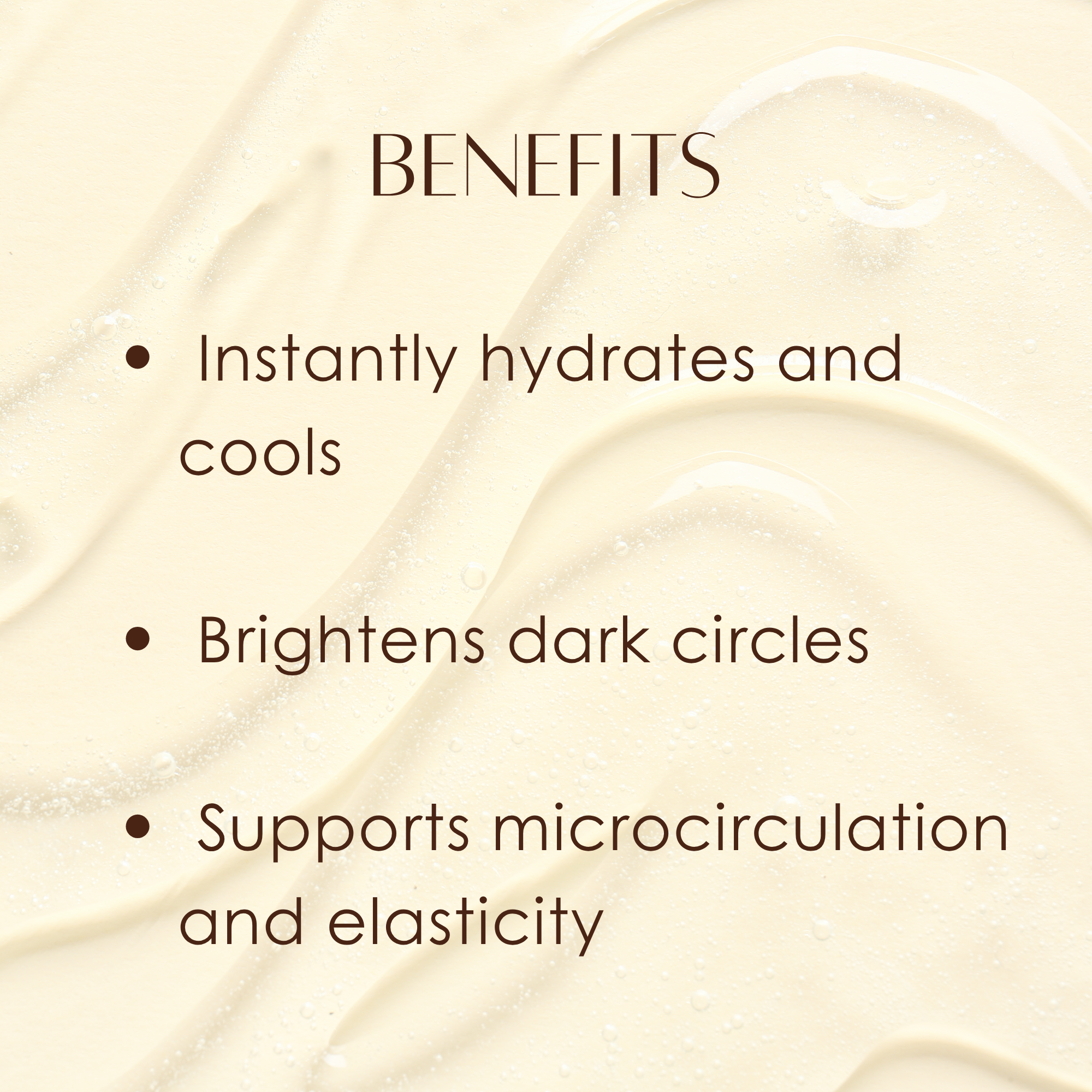
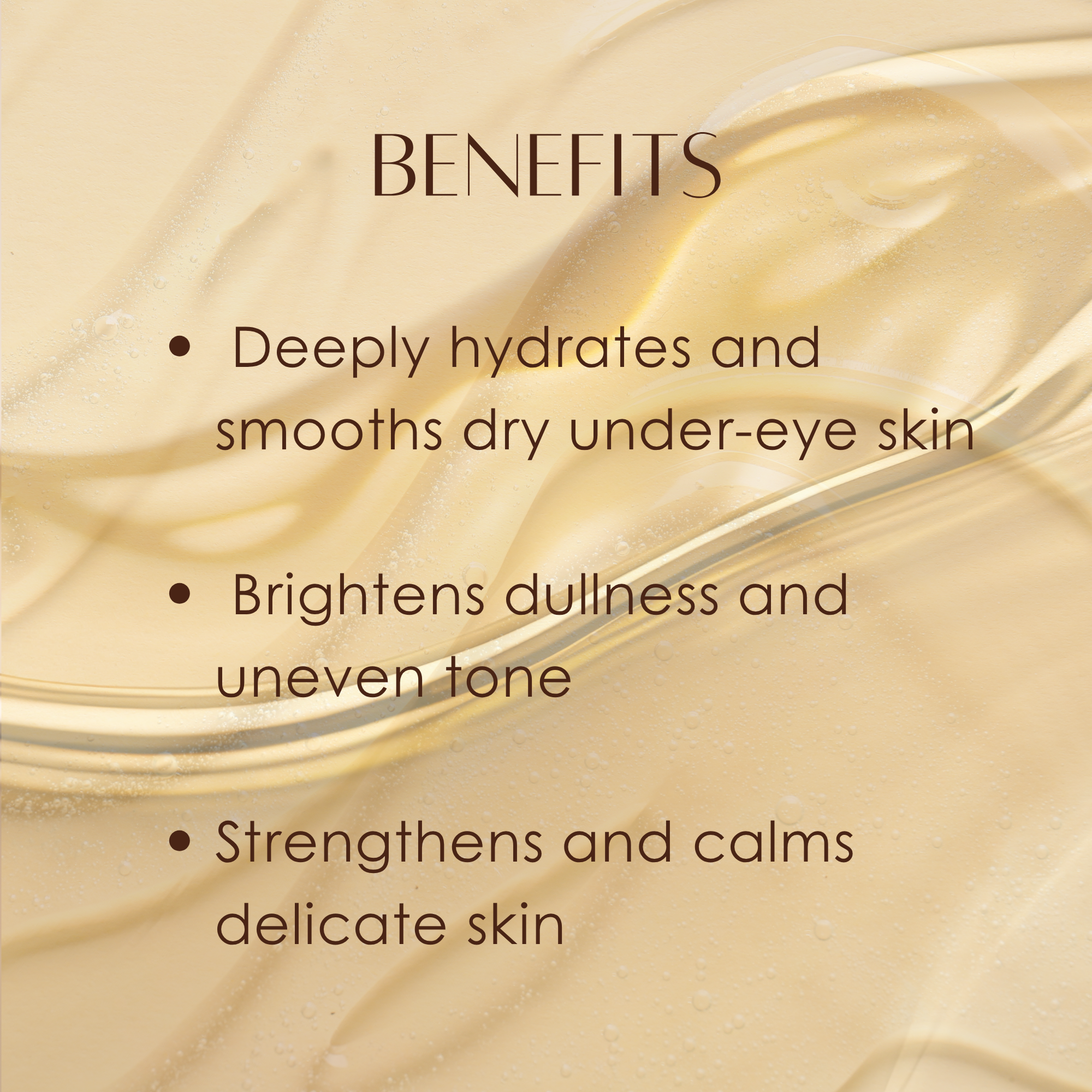
- Supports skin-conditioning formulas
- Sphingolipid-related ingredient technology
- Helps promote a smoother skin feel
- Useful in barrier-focused product design
How It Works
Ingredient Details
INCI Name: Tetraacetylphytosphingosine
Ingredient Type: Acetylated sphingolipid derivative
Best For
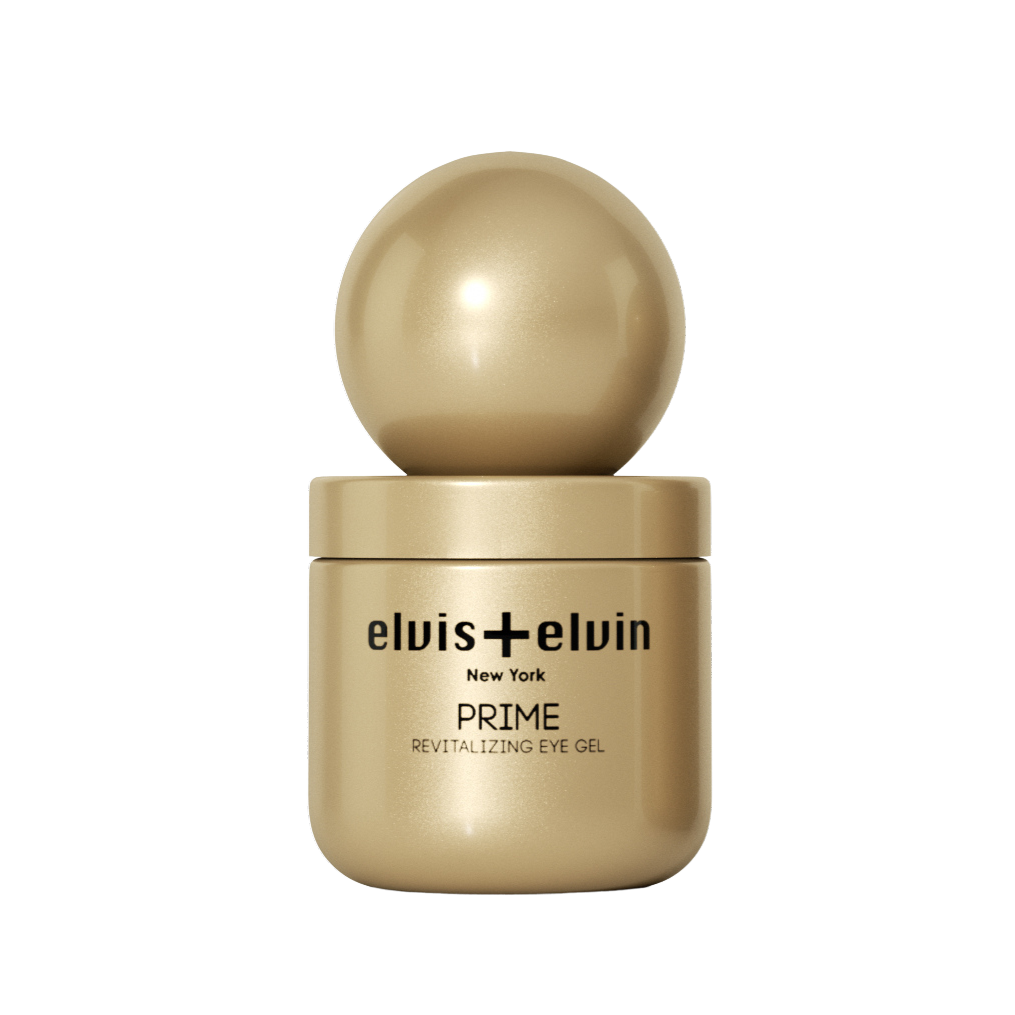
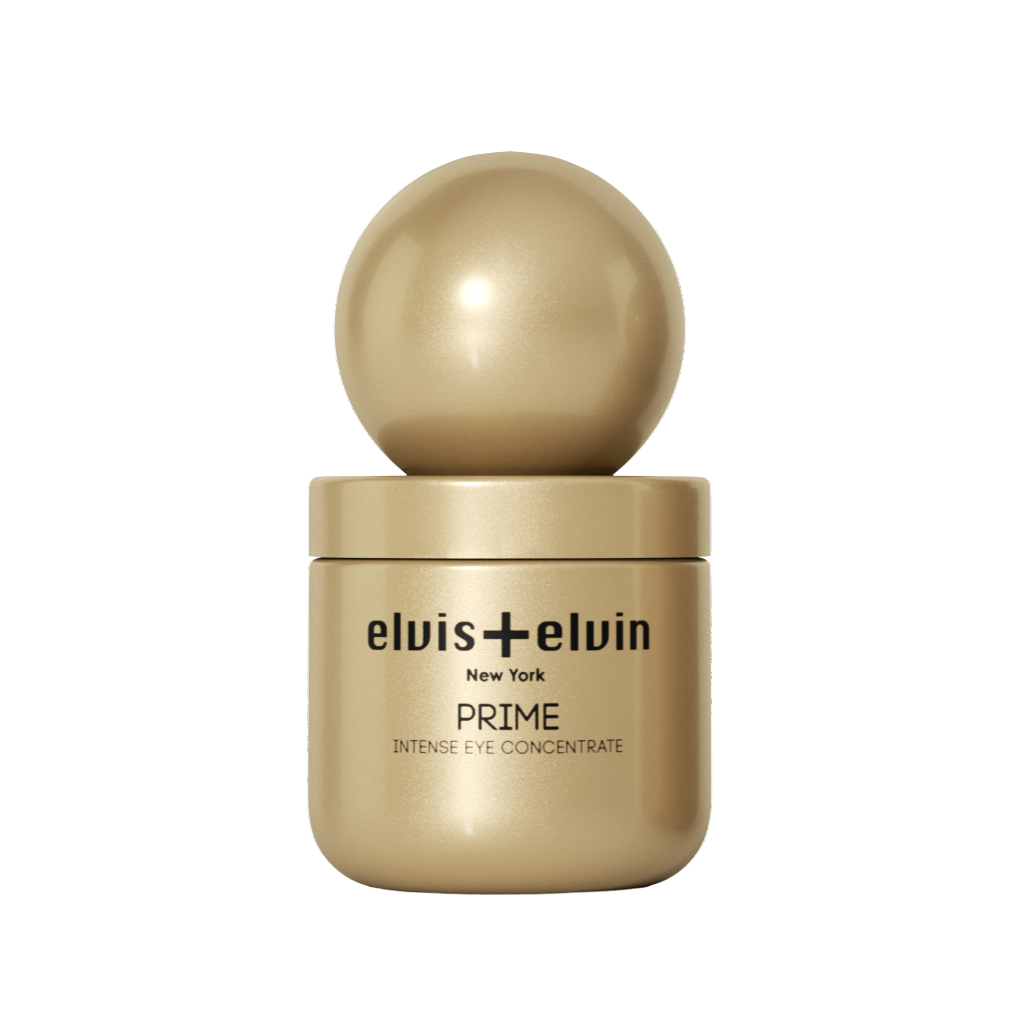
Normal to dry skin · Barrier-focused skincare · Rough or uncomfortable-feeling skin · Conditioning creams and eye products
Research
View Ingredient Research →What It Is
What It Does
Tetraacetylphytosphingosine FAQs
Common questions about this ingredient in skincare.
Is Tetraacetylphytosphingosine a ceramide?
No. It is an acetylated phytosphingosine derivative related to sphingolipid chemistry, while ceramides contain a sphingoid base linked to a fatty acid. Their identities and formulation roles are not interchangeable.
Is it the same as phytosphingosine?
No. Four hydroxyl or amino-associated positions are acetylated, changing the molecule's properties. Evidence for free phytosphingosine should not automatically be assigned to the acetylated derivative.
What does it do in cosmetics?
Its recognized cosmetic functions are skin conditioning and hair conditioning. More specific barrier or appearance claims should be supported by testing of the exact raw material or finished product.
Does it replace a complete barrier-lipid blend?
No. Effective barrier-focused formulas may use ceramides, cholesterol, fatty acids, humectants, and occlusives in carefully designed proportions. One related molecule does not replace the whole system.
Is it suitable for sensitive skin?
Suitability depends on concentration and the complete formula. People with reactive skin should patch test and discontinue use if ongoing redness, itching, or discomfort occurs.
Why is fermentation mentioned with this ingredient?
Tetraacetyl phytosphingosine can be produced through microbial fermentation and is an important intermediate for obtaining phytosphingosine. Production method does not by itself prove a clinical skincare benefit.
Shop the ingredient
Products Featuring Tetraacetylphytosphingosine