



Cosmetic peptides
Nonapeptide-1
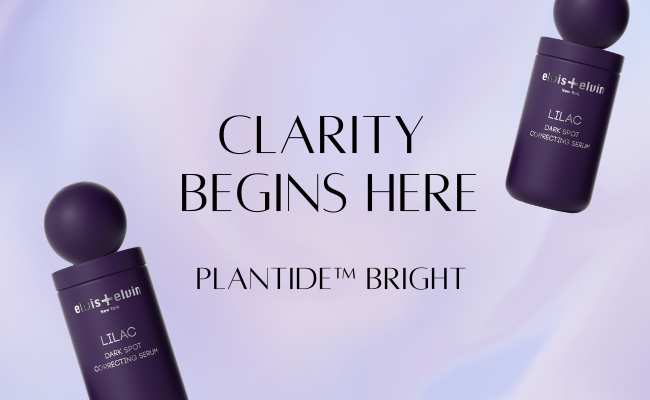
A targeted peptide that helps visibly improve the look of uneven skin tone and discoloration for a brighter, more balanced complexion.
Key Benefits
- Targets an upstream pigmentation-signaling pathway
- Helps support a more even-looking skin tone
- May reduce the look of visible discoloration over time
- Pairs well with complementary brightening ingredients
How It Works
Ingredient Details
INCI Name: Nonapeptide-1
Ingredient Type: Synthetic signal peptide
Best For
Uneven-looking skin tone · Visible post-blemish marks · People building a multi-pathway brightening routine · Users committed to daily broad-spectrum sunscreen
What It Is
What It Does
Nonapeptide-1 FAQs
Common questions about this ingredient in skincare.
What is Nonapeptide-1?
It is a lab-designed peptide made from nine amino-acid residues and used in cosmetic formulas for the appearance of uneven tone and discoloration.
How does Nonapeptide-1 work?
It is designed to interfere with alpha-MSH signaling at the MC1R receptor, an upstream pathway involved in activating melanin production.
Does it inhibit tyrosinase directly?
Its primary proposed action is upstream receptor signaling rather than direct tyrosinase inhibition, although downstream melanin and tyrosinase-related effects have been observed in laboratory systems.
Can it treat melasma?
It is not an approved melasma treatment. Limited research includes multi-ingredient formulas, so a dermatologist should guide persistent or clinically diagnosed pigmentation concerns.
How long does it take to see results?
Tone-evening skincare generally requires consistent use over multiple skin-renewal cycles. Timing depends on concentration, formulation, sun exposure, and the cause of discoloration.
Do I need sunscreen with Nonapeptide-1?
Yes. Daily broad-spectrum sunscreen helps prevent UV-driven darkening and is foundational to any discoloration-focused routine.
Shop the ingredient
Products Featuring Nonapeptide-1
Related products will appear here when products reference this ingredient.