
Plant Oils
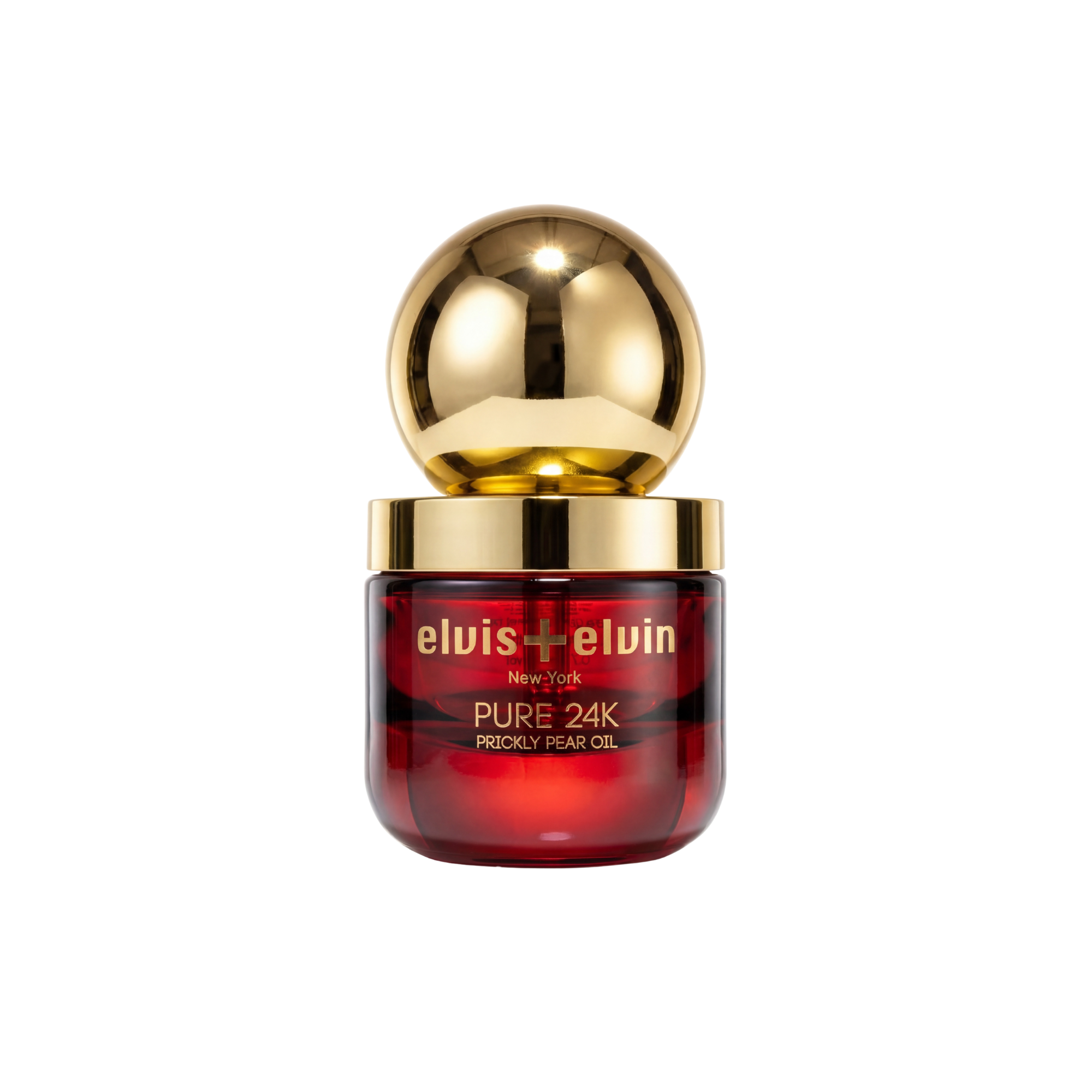
Prickly Pear Seed Oil
Hydrating, rejuvenating, soothing
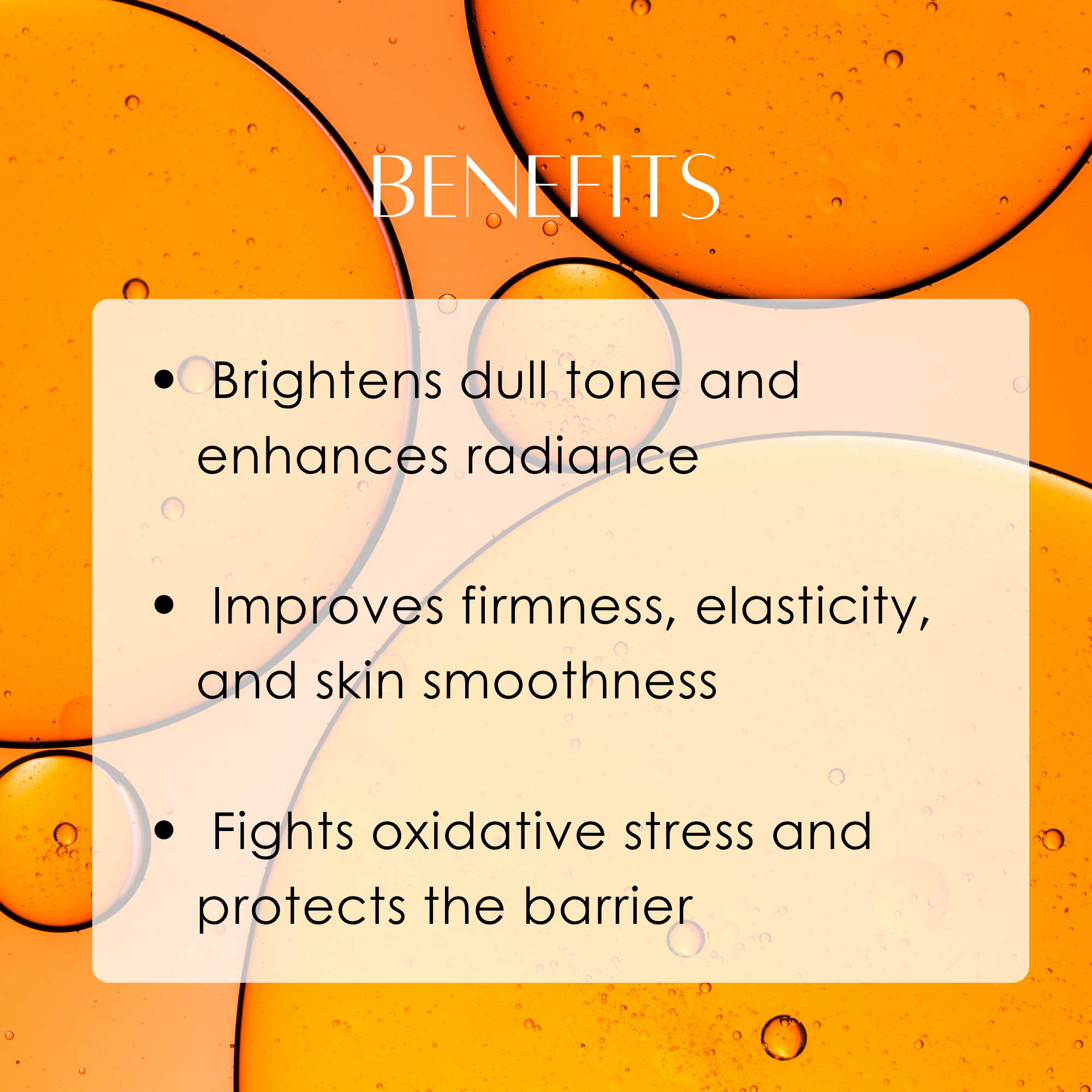
Key Benefits
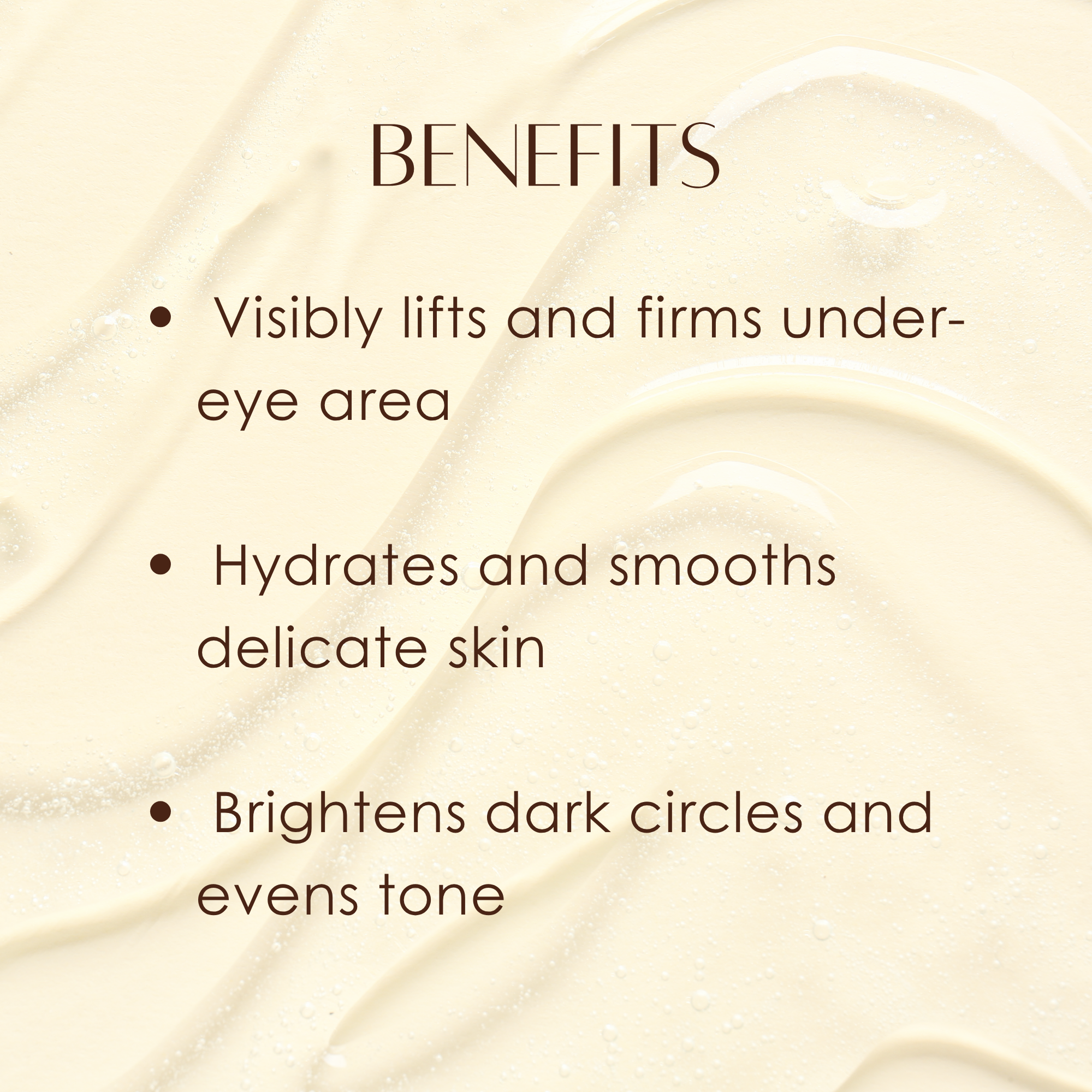
- Softens dry, rough-feeling skin
- Supports moisture-barrier comfort
- Provides lightweight emollience
- Helps improve suppleness
How It Works
Ingredient Details
INCI Name: Opuntia Ficus-Indica Seed Oil
Ingredient Type: Botanical fixed oil
Best For
Normal skin · Dry skin · Combination skin · Skin needing lightweight oil conditioning
Research
View Ingredient Research →What It Is
What It Does
Prickly Pear Seed Oil FAQs
Common questions about this ingredient in skincare.
What is prickly pear seed oil best known for?
{"type":"root","children":[{"type":"paragraph","children":[{"type":"text","value":"It is best known as a linoleic-rich emollient that helps soften rough-feeling skin and support suppleness."}]}]}
Is prickly pear seed oil the same as cactus extract?
{"type":"root","children":[{"type":"paragraph","children":[{"type":"text","value":"No. Seed oil is the lipid fraction from the seeds, while fruit, flower, and water-based cactus extracts contain different constituents."}]}]}
Does prickly pear seed oil brighten dark spots?
{"type":"root","children":[{"type":"paragraph","children":[{"type":"text","value":"Composition studies alone do not establish a dark-spot treatment effect. Any brightening claim should be supported by testing of the specific finished formula."}]}]}
Can oily skin use prickly pear seed oil?
{"type":"root","children":[{"type":"paragraph","children":[{"type":"text","value":"Many people find its texture relatively light, but suitability depends on the formula, amount used, and individual skin response."}]}]}
Is prickly pear seed oil a sunscreen?
{"type":"root","children":[{"type":"paragraph","children":[{"type":"text","value":"No. Antioxidant activity does not provide a tested SPF, and the oil must not replace broad-spectrum sunscreen."}]}]}
How should prickly pear seed oil be protected?
{"type":"root","children":[{"type":"paragraph","children":[{"type":"text","value":"A well-sealed, light-protective package and a suitable antioxidant system help limit oxidation of its unsaturated fatty acids."}]}]}
Shop the ingredient
Products Featuring Prickly Pear Seed Oil