
Vitamin C Derivative and Antioxidant
3-o-Ethyl Ascorbic Acid
Brightening, antioxidant, anti-aging
Key Benefits
- Provides vitamin C-derived antioxidant support
- Supports brighter, more even-looking skin
- Complements collagen-focused formulas
- Offers improved formulation stability versus pure ascorbic acid
How It Works
Ingredient Details
INCI Name: 3-O-Ethyl Ascorbic Acid
Ingredient Type: Stabilized vitamin C derivative
Best For
Dull-looking skin · Uneven tone · Visible discoloration · Early signs of aging · Users seeking a vitamin C derivative
Research
View Ingredient Research →What It Is
What It Does
3-o-Ethyl Ascorbic Acid FAQs
Common questions about this ingredient in skincare.
How is 3-O-Ethyl Ascorbic Acid different from pure vitamin C?
Pure vitamin C is L-ascorbic acid. 3-O-Ethyl Ascorbic Acid adds an ethyl group that improves stability and changes solubility and skin delivery, but it does not have the same volume of direct clinical evidence.
Does it need to convert into ascorbic acid?
Conversion may contribute to activity, but published human data defining the exact conversion rate are limited. The derivative also demonstrates antioxidant behavior in laboratory models, so performance should be assessed in the finished formula.
What concentration works best?
There is no universal best percentage because purity, pH, vehicle, stability, and delivery influence performance. A higher number does not guarantee better results and may increase irritation.
Can it help with dark spots?
It can support a brighter and more even appearance as part of a stable routine, but persistent pigmentation may require other proven actives and professional guidance. Broad-spectrum sunscreen is essential.
Can it be used with niacinamide, retinoids, or acids?
It can generally be combined with these ingredients, but total irritation potential matters. Start gradually, separate strong products if needed, and use daily sun protection.
Is it stable in skincare?
It is usually more stable than L-ascorbic acid, not permanently stable. Opaque or air-restrictive packaging, an appropriate pH, controlled heat and light exposure, and a well-designed antioxidant system help preserve it.
Shop the ingredient
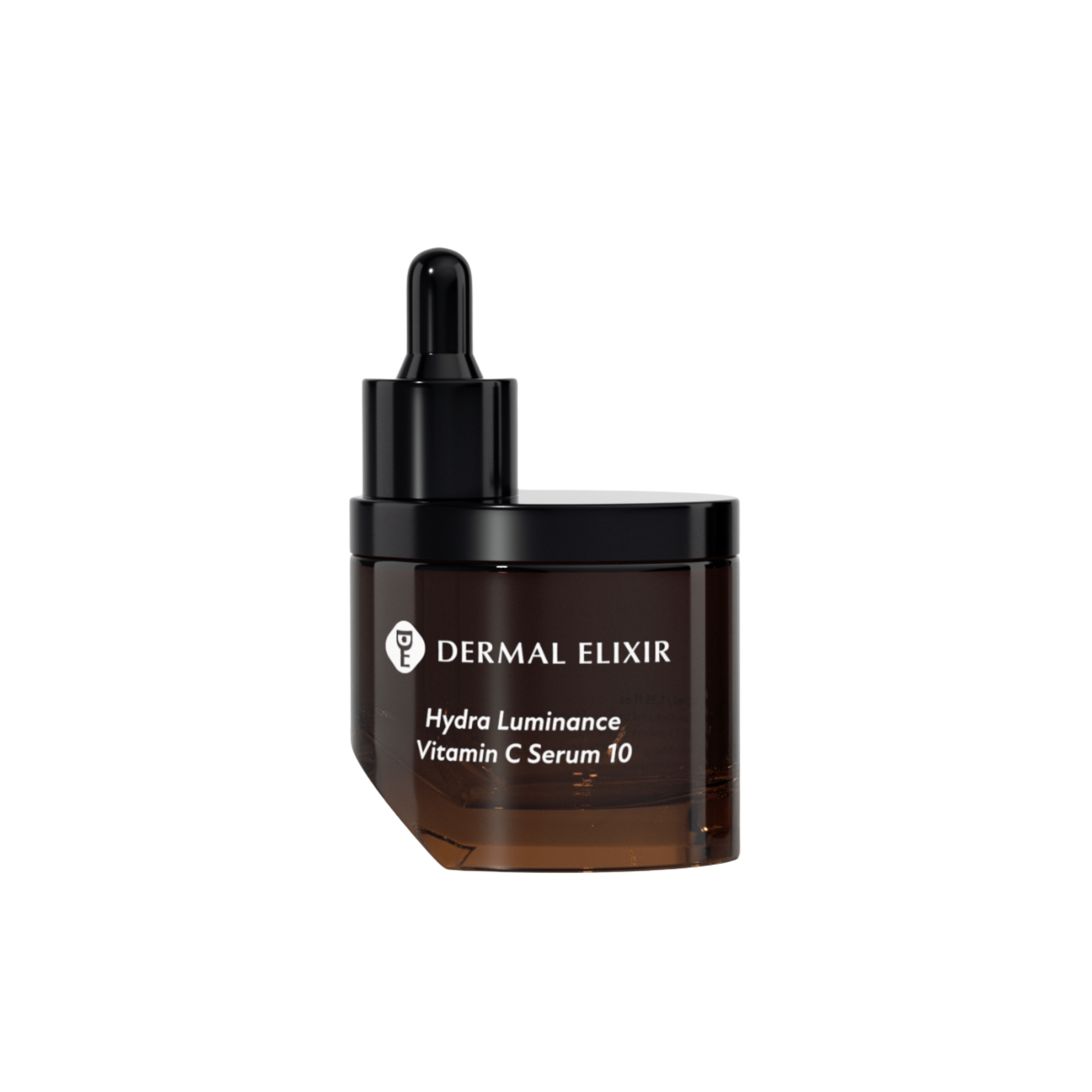
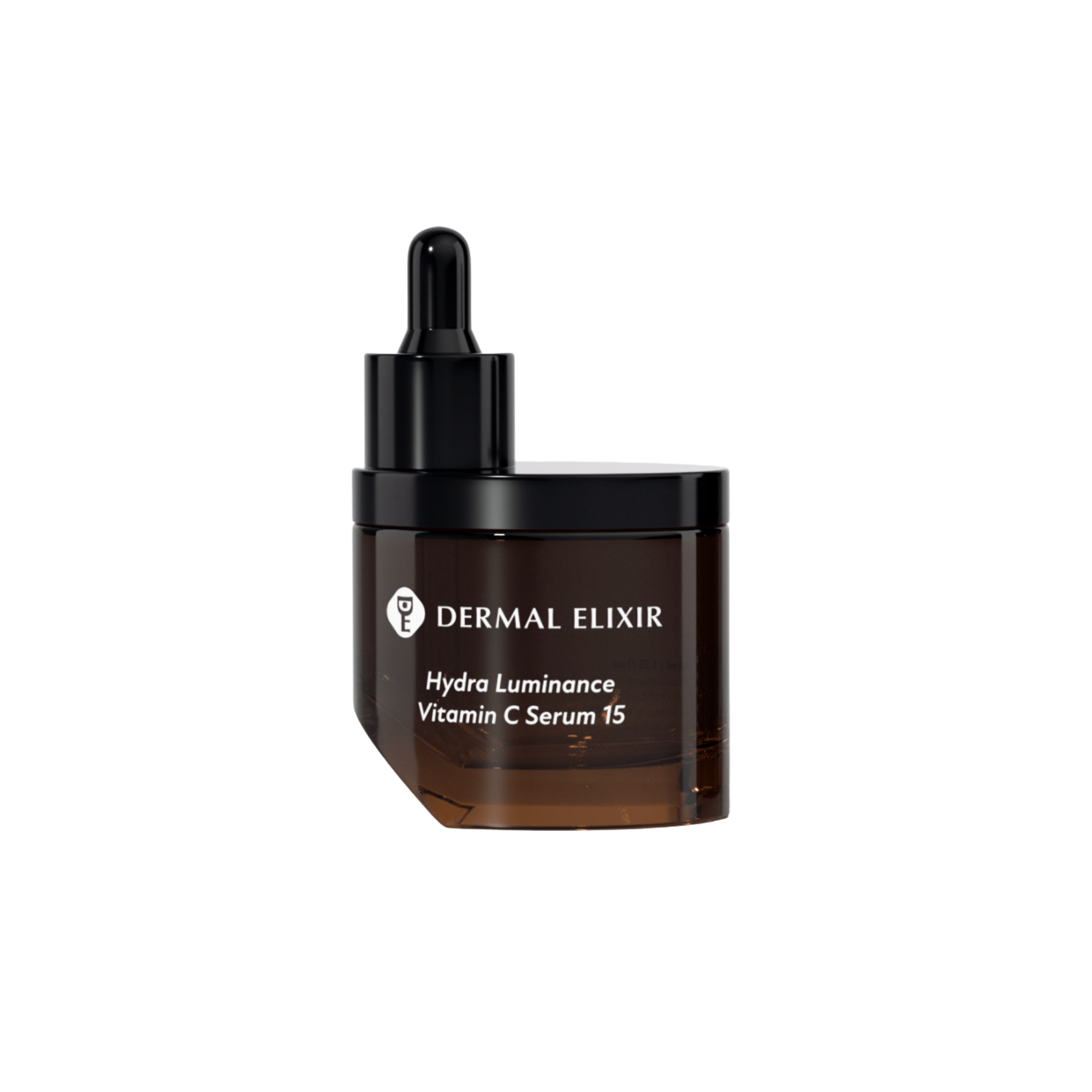
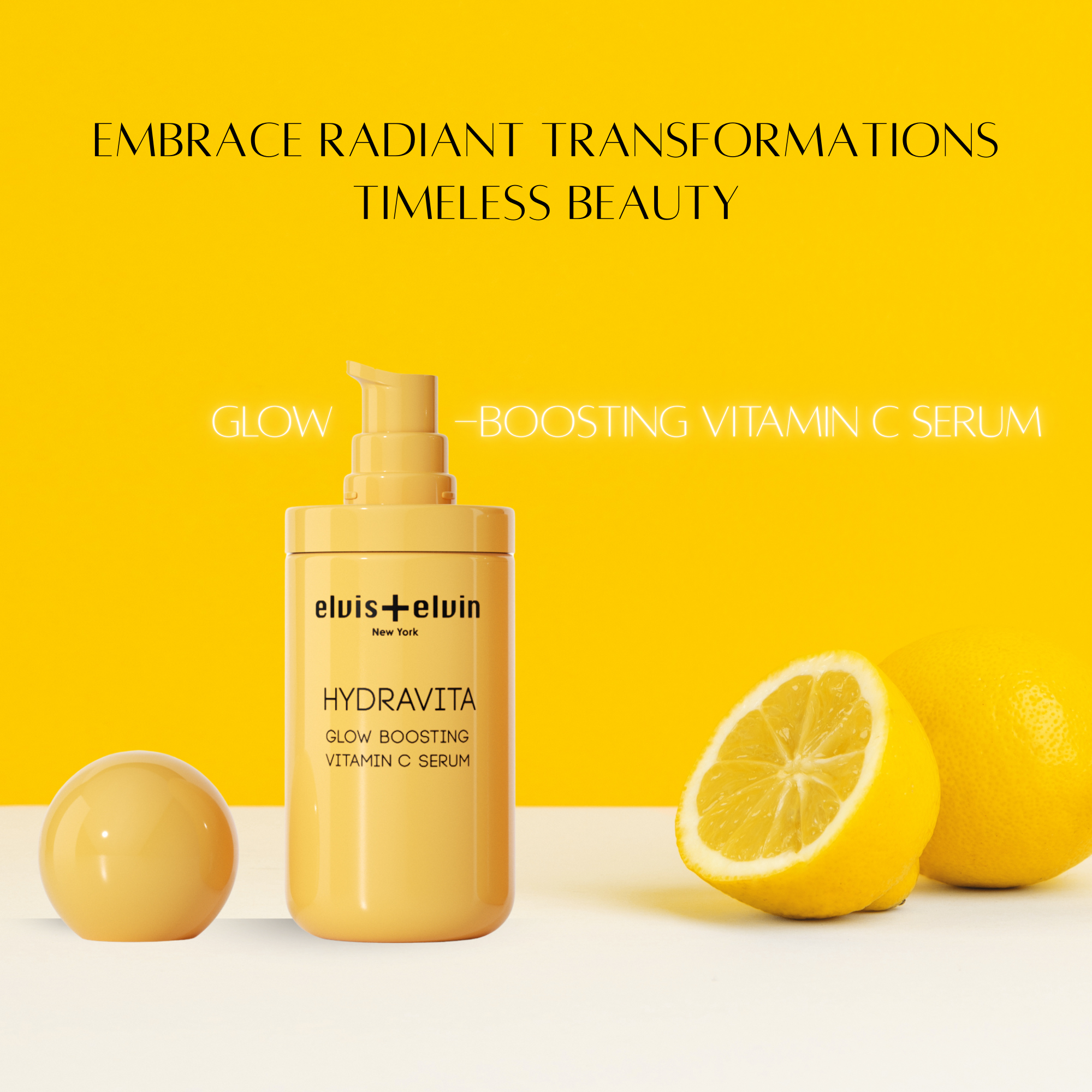
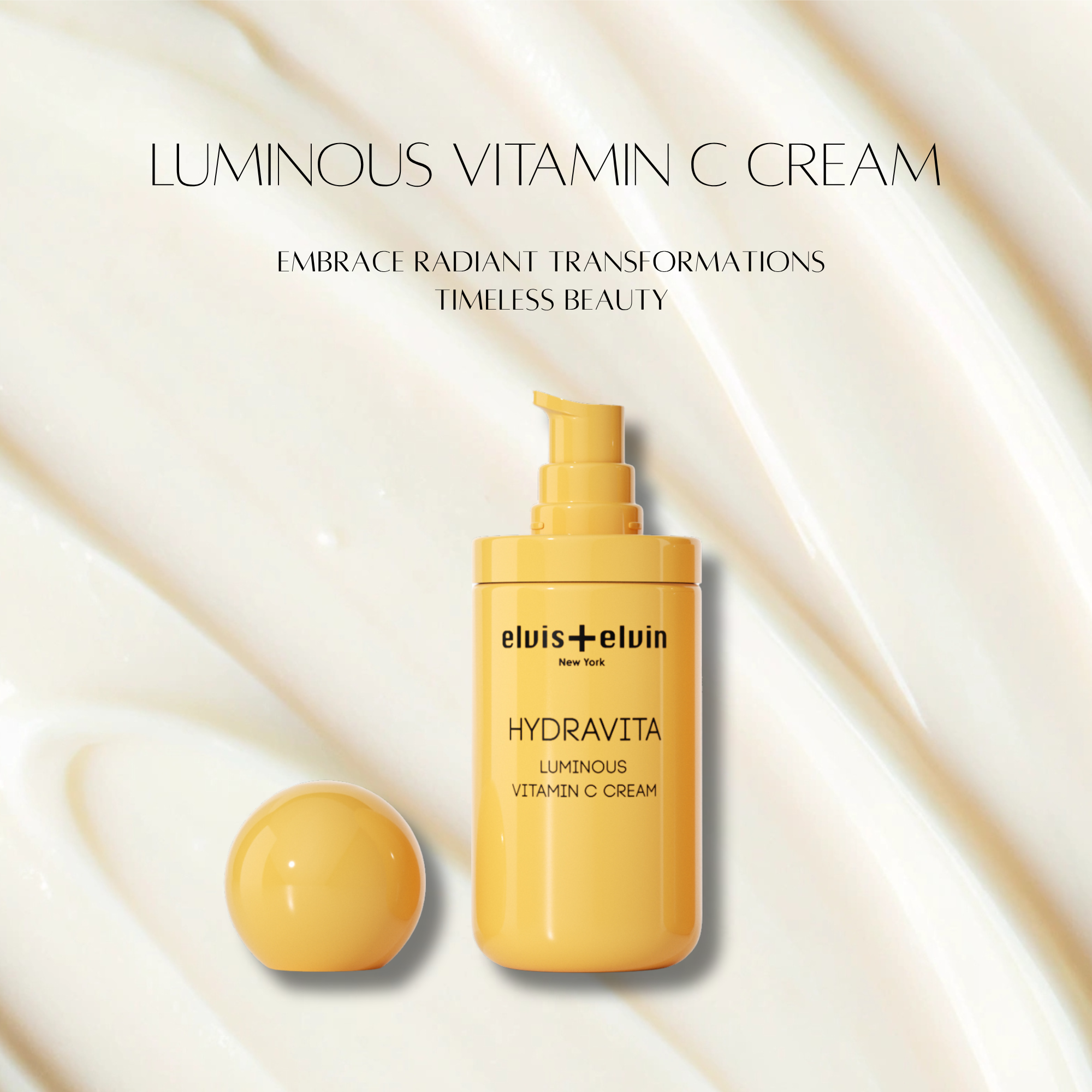
Products Featuring 3-o-Ethyl Ascorbic Acid