
Άρθρο: Late-Summer Skin Reset: The Ingredient Science Worth Knowing
Late-Summer Skin Reset: The Ingredient Science Worth Knowing
Summer has a way of making skincare feel deceptively simple.
Warm weather, longer days, vacations, swimming, air conditioning, sunscreen, sweat and more time outdoors all become part of everyday life. Then late summer arrives, and skin can suddenly feel a little different: less comfortable, more dehydrated, rougher in places, or simply not as fresh as it did at the beginning of the season.
The instinct may be to “reset” everything—to exfoliate more, add stronger treatments or completely rebuild your routine.
But a late-summer skin reset doesn't necessarily mean doing more.
Sometimes, it means understanding what your skin actually needs and choosing ingredients that support hydration, comfort and protection as the seasons begin to change.
Here are several ingredients worth understanding—and why the formula around them matters just as much as the ingredient name on the label.
1. Hyaluronic Acid: Hydration Is About Water, Not Oil
Hyaluronic acid has become so familiar in skincare that it is easy to forget what makes it useful.
At its simplest, hyaluronic acid is a humectant. Humectants help attract and hold water. In skincare, that can help the surface of the skin feel more hydrated, smooth and comfortable.
This distinction becomes particularly useful after summer.
Skin can feel oily and still be dehydrated. Oil refers mainly to sebum; hydration refers to water. They're related, but they're not the same thing.
That means someone who spent August dealing with shine may still notice that their skin feels tight after cleansing or that makeup suddenly emphasizes fine, dry-looking texture.
Rather than immediately reaching for a heavier product, it can make sense to first ask: Does my skin need more oil—or does it need better hydration?
Where you'll find it at Elvis+Elvin
Hyaluronic acid isn't limited to traditional facial serums in our collection.
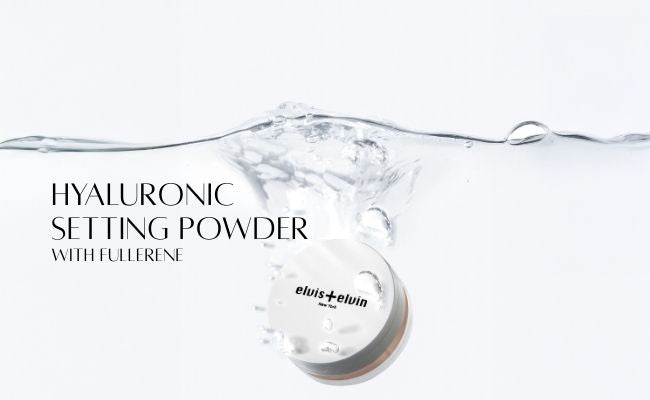
For example, the Hyaluronic Setting Powder with Fullerene contains Sodium Hyaluronate—the salt form of hyaluronic acid—alongside Ectoin, Pearl Powder, Grape Fruit Cell Extract and Fullerene.
That's an interesting formulation idea because setting powder and hydration may sound like opposites. Powders are generally associated with absorbing oil and creating a more finished appearance.
The formulation approaches that problem differently: Silica provides the powder's soft-focus and oil-control function, while Sodium Hyaluronate and Ectoin are incorporated with comfort in mind.
It is a good example of a larger principle: An ingredient doesn't have to live in the product category you expect.
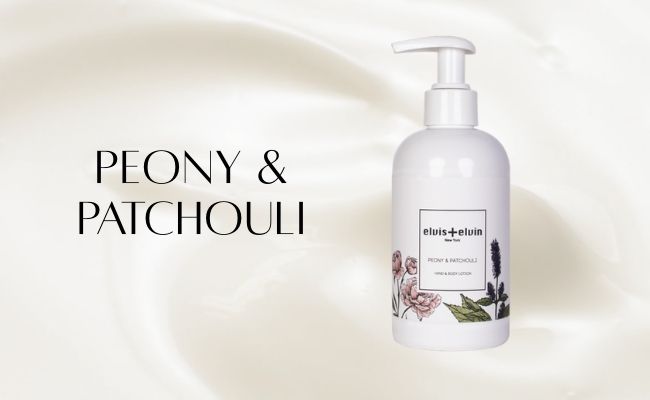
Our Hand & Body Lotions and Hand Creams also use hyaluronic acid alongside Tsubaki Seed Oil, bringing humectant hydration together with an oil-based conditioning component.
2. Ectoin: An Ingredient You'll Probably Hear More About
If hyaluronic acid is already a household skincare name, ectoin is still unfamiliar to many consumers.
That is changing.
Ectoin is a small molecule associated with microorganisms that survive challenging environmental conditions. In cosmetic formulations, it has become interesting for its ability to support hydration and help maintain a comfortable skin environment.
The important thing is not to turn that fascinating origin story into an exaggerated promise.
Ectoin isn't a force field around your skin.
Instead, think of it as one component a formulator can use when designing a product around hydration, comfort and environmental-stress support.
You'll find Ectoin in Elvis+Elvin's Hyaluronic Setting Powder with Fullerene, where it works within a much larger system rather than being treated as a standalone miracle ingredient.
And that's something we'll return to throughout this blog: Good skincare isn't simply a collection of fashionable ingredients. It's a formula.
3. Antioxidants: Think Defense, Not Magic Erasers
Summer naturally brings antioxidants into the conversation because we're spending more time thinking about environmental exposure.
But what is an antioxidant?
To understand that, we first need to understand something called oxidative stress.
Normal biological processes and environmental factors can contribute to the formation of reactive molecules known as free radicals. When there is an imbalance between these reactive molecules and the body's antioxidant defenses, we describe that state as oxidative stress.
Antioxidants can interact with these processes, which is why they have become such an important area of skincare research.
The simple version: Antioxidants are about supporting skin against oxidative stress—not magically undoing everything that happened over summer.
And antioxidants aren't one ingredient. It's a broad category.
Vitamin E, for example, is an antioxidant used widely in cosmetic formulations.
A familiar ingredient hiding behind another name
Look at an ingredient list and you may see Tocopherol.
That's vitamin E.
Our Rose Body Oil, for example, combines Tocopherol with Jojoba Seed Oil, Olive Fruit Oil and Rosa Damascena Flower Oil.
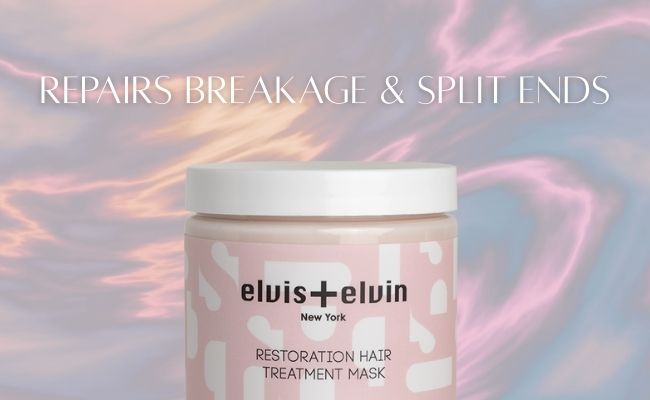
Our Restoration Hair Treatment Mask also contains Tocopherol, alongside Panthenol, Jojoba Esters and conditioning ingredients.
The same antioxidant can therefore play a role in very different kinds of formulas.
This is why reading an ingredient list is more useful when you understand the context of the formula, rather than searching for one hero ingredient.
4. Tsubaki Seed Oil: Sometimes the “Old” Ingredients Are Still Interesting
Beauty innovation doesn't always mean discovering something completely new.
Some of the most interesting ingredients have been used for generations and are now being examined through modern formulation science.
Camellia Japonica Seed Oil, commonly known as Tsubaki oil, is one example.
Plant oils are composed largely of lipids, including different fatty acids. When incorporated appropriately into skincare, oils can help soften the skin and reduce that dry, rough feeling that often appears when the skin's surface needs more conditioning.
This makes oils particularly interesting during the transition from humid summer weather toward cooler, drier conditions.
But here's an important distinction: Oil and hydration aren't the same thing.
That's why combining different ingredient functions can be useful.
In Elvis+Elvin Hand & Body Lotions, for example, Tsubaki Seed Oil is paired with hyaluronic acid.
Think of the two ingredients as addressing different parts of the moisture story:
Hyaluronic acid → water-focused hydration
Tsubaki Seed Oil → softness and conditioning
Neither concept needs to be complicated.
And together they illustrate why a complete formula can be more interesting than a single headline ingredient.
5. Jojoba: Technically More Interesting Than “Just Another Oil”
Jojoba frequently gets grouped with botanical oils, but chemically it's a little unusual.
What we commonly call jojoba oil is composed primarily of wax esters, giving it a different structure from many conventional plant oils.
From the consumer's perspective, the important part is simpler: jojoba is valued in cosmetic formulas for helping condition and soften skin without necessarily creating the extremely heavy feel people associate with some richer oils.
You'll find Jojoba Seed Oil in our Rose Body Oil.
It's also interesting to look at the formula as a whole: Jojoba Seed Oil + Olive Fruit Oil + Rosa Damascena Flower Oil + Tocopherol.
Rather than asking, “Which one is the best ingredient?” a better question is: What is the formula trying to accomplish with all of them together?
In this case, the ingredient combination is built around an oil-based conditioning experience for the body.
6. Bisabolol: Comfort Can Be a Formulation Goal
Not every ingredient needs to promise dramatic transformation.
Sometimes a formula simply needs to feel good on skin.
Bisabolol is widely used in cosmetics in formulas designed with skin comfort in mind.
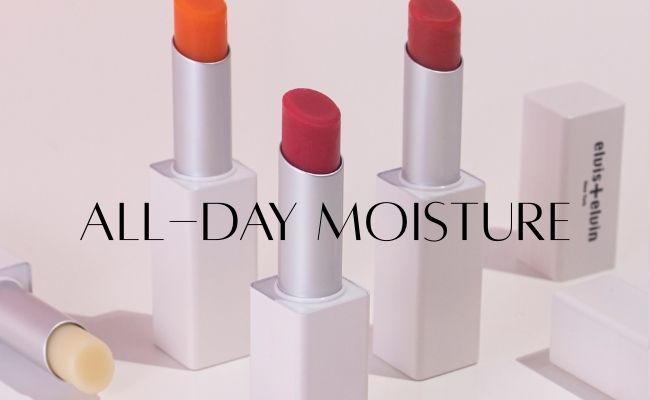
You'll find it in Elvis+Elvin's Tsubaki Tinted Hydrating Lip Balm, together with Tsubaki Seed Oil, Squalane, Shea Butter, Olive Oil, Castor Oil and botanical waxes.
That formula demonstrates another useful lesson in ingredient science.
A lip balm doesn't need one “hero” ingredient doing everything.
Different components contribute different functions: oils provide emollience, waxes help create structure and a protective-feeling layer, while ingredients such as Bisabolol can complement a comfort-focused formulation.
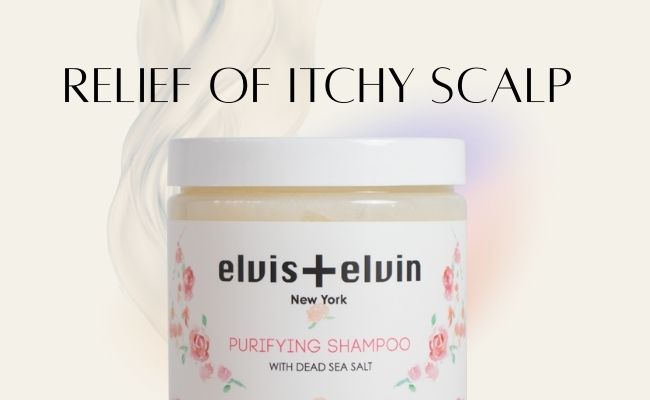
Our Purifying Shampoo with Dead Sea Salt also contains Bisabolol, but within an entirely different system built around cleansing the scalp and hair.
Same ingredient. Different formula. Different job.
7. Squalane: Why Skin Softness Matters During a Seasonal Transition
Squalane is another ingredient that fits naturally into a late-summer reset.
It's an emollient, meaning it helps improve the soft, smooth feeling of the skin.
That's different from a humectant like hyaluronic acid.
Here's an easy way to remember the difference: Humectants help with water. Emollients help with softness.
Real formulations often combine multiple approaches because skin doesn't experience dryness as a chemistry lesson. It simply feels tight, rough, uncomfortable or less supple.
Squalane appears in the Tsubaki Tinted Hydrating Lip Balm, where it joins several oils, butters and waxes to create a cushioned lip-care formula.
This type of lipid-rich approach becomes especially relevant as summer begins giving way to fall.
So, What Does Your Skin Actually Need After Summer?
Probably not a dramatic detox.
Skin doesn't need to be punished for having enjoyed August.
Instead, late summer can be a useful moment to observe before adding.
If your skin feels tight, think about hydration.
If it feels rough or less supple, consider emollient-rich formulas.
If you've spent significant time outdoors, antioxidant-focused skincare can be one part of a broader routine—but it does not replace daily sun protection.
If your skin already feels comfortable, you may not need to change much at all.
And if you're introducing stronger ingredients such as exfoliating acids or retinoids as fall approaches, adding everything simultaneously makes it much harder to understand what your skin actually likes.
The Bigger Lesson: Don't Shop by Ingredient Alone
Beauty marketing has trained us to recognize ingredient names.
Hyaluronic acid. Peptides. Vitamin C. Ceramides. Retinoids. Antioxidants.
Knowing these names is useful—but it's only the beginning.
Two products can contain the same headline ingredient and behave completely differently because concentration, ingredient form, supporting ingredients, delivery system, texture, packaging and the overall formula all matter.
Our Hyaluronic Setting Powder with Fullerene and our Hand & Body Lotions can both incorporate hyaluronic acid, yet they exist for completely different reasons.
That's exactly why ingredient education should go beyond asking: “Does this product contain hyaluronic acid?”
A better set of questions is: Why is it here? What is it paired with? What is the product designed to do? And does that make sense for my skin right now?
That's where skincare starts becoming much easier to understand.
A Simple Late-Summer Reset
You don't need to replace your entire shelf on September 1.
Pay attention to how your skin feels. Keep cleansing gentle. Maintain consistent sun protection. Restore hydration when skin feels thirsty. Add conditioning ingredients when it feels rough or dry. And introduce stronger treatments thoughtfully rather than all at once.
Most importantly, don't chase an ingredient simply because it's trending.
Understand what it does first. Then decide whether your skin actually needs it.
That's the kind of ingredient intelligence we'll continue exploring in the Elvis+Elvin journal.